CVE-2024-26152

Published Feb 22, 2024

Last updated 10 months ago

Overview

Description
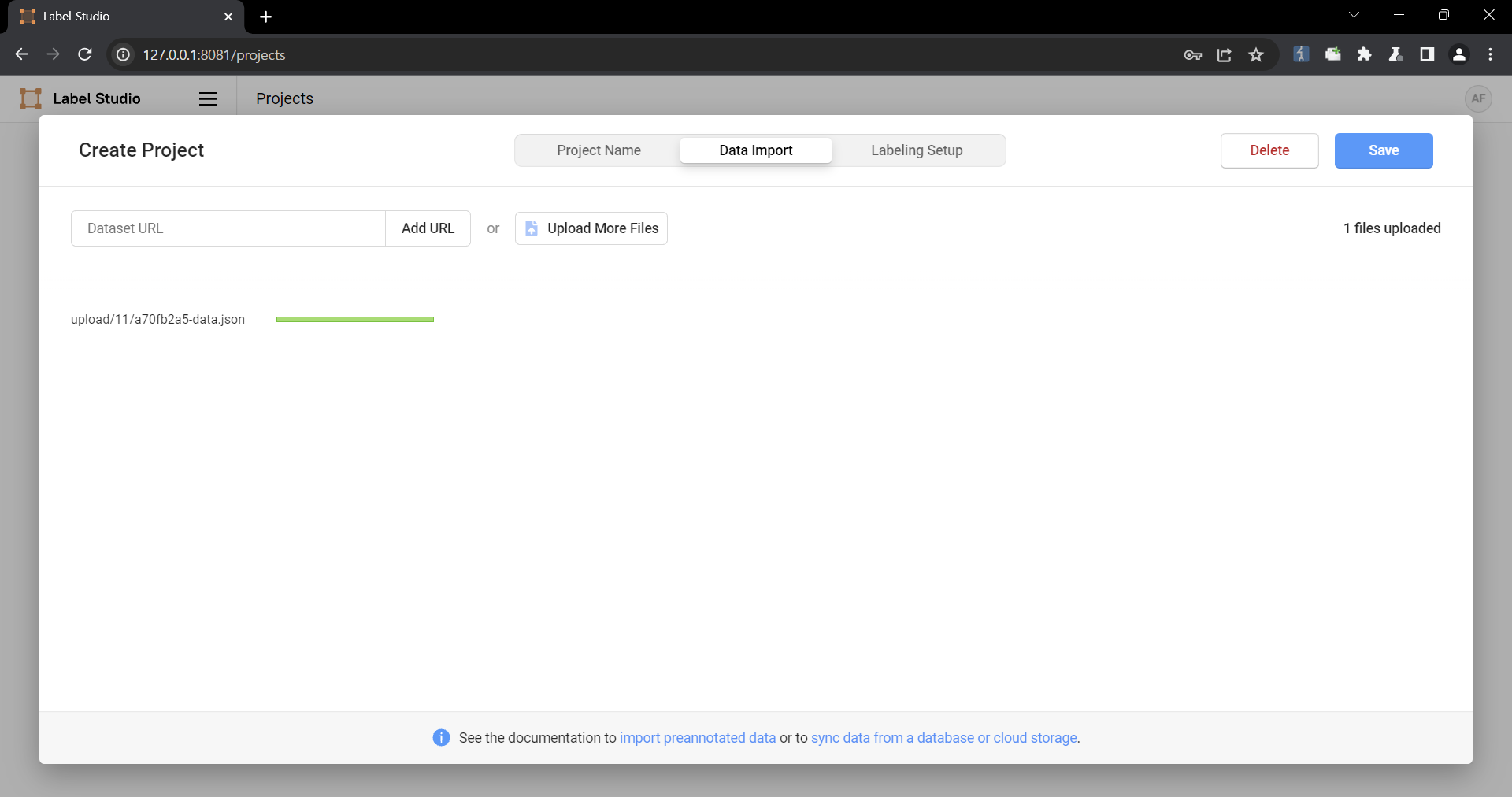
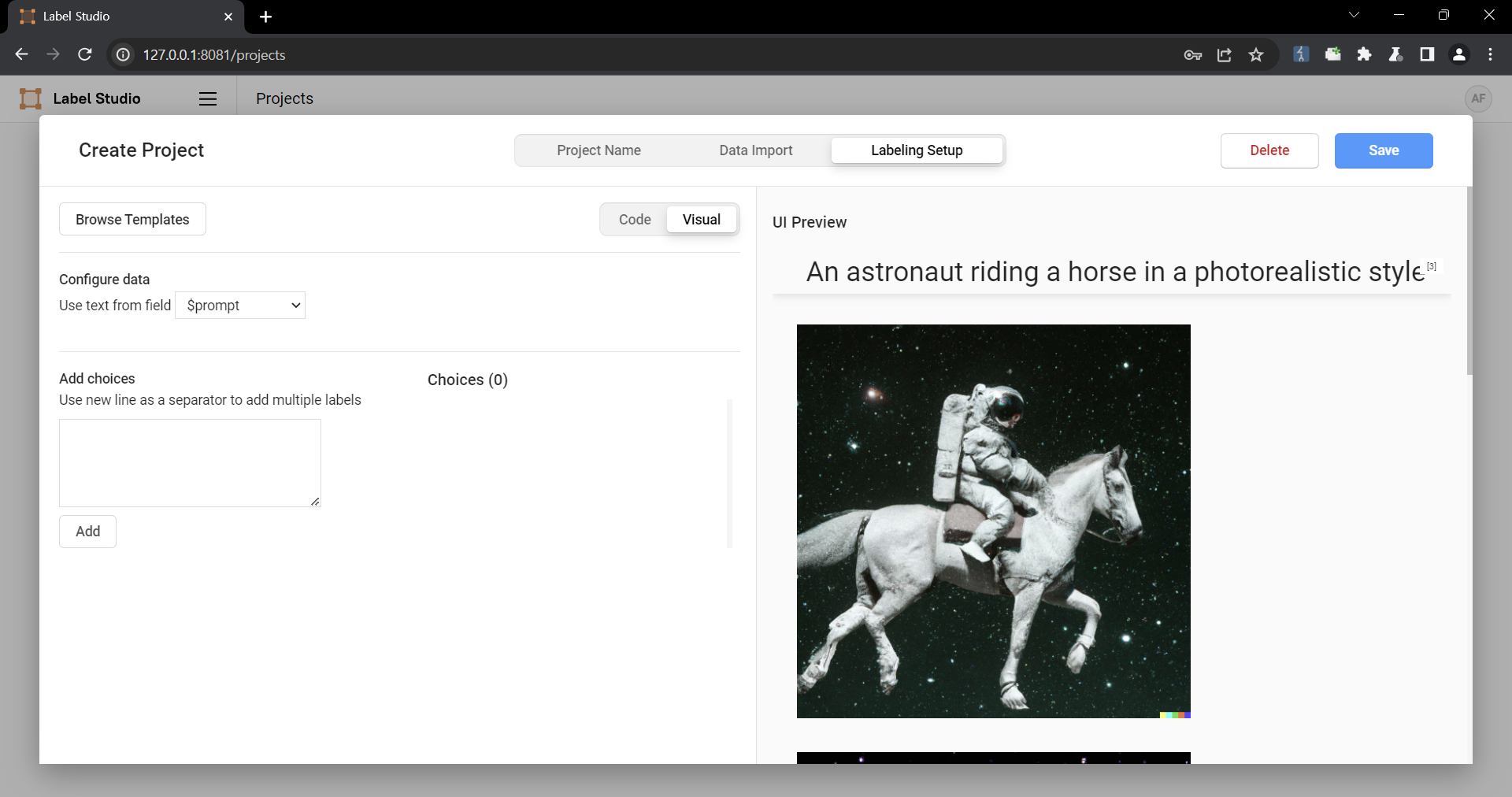
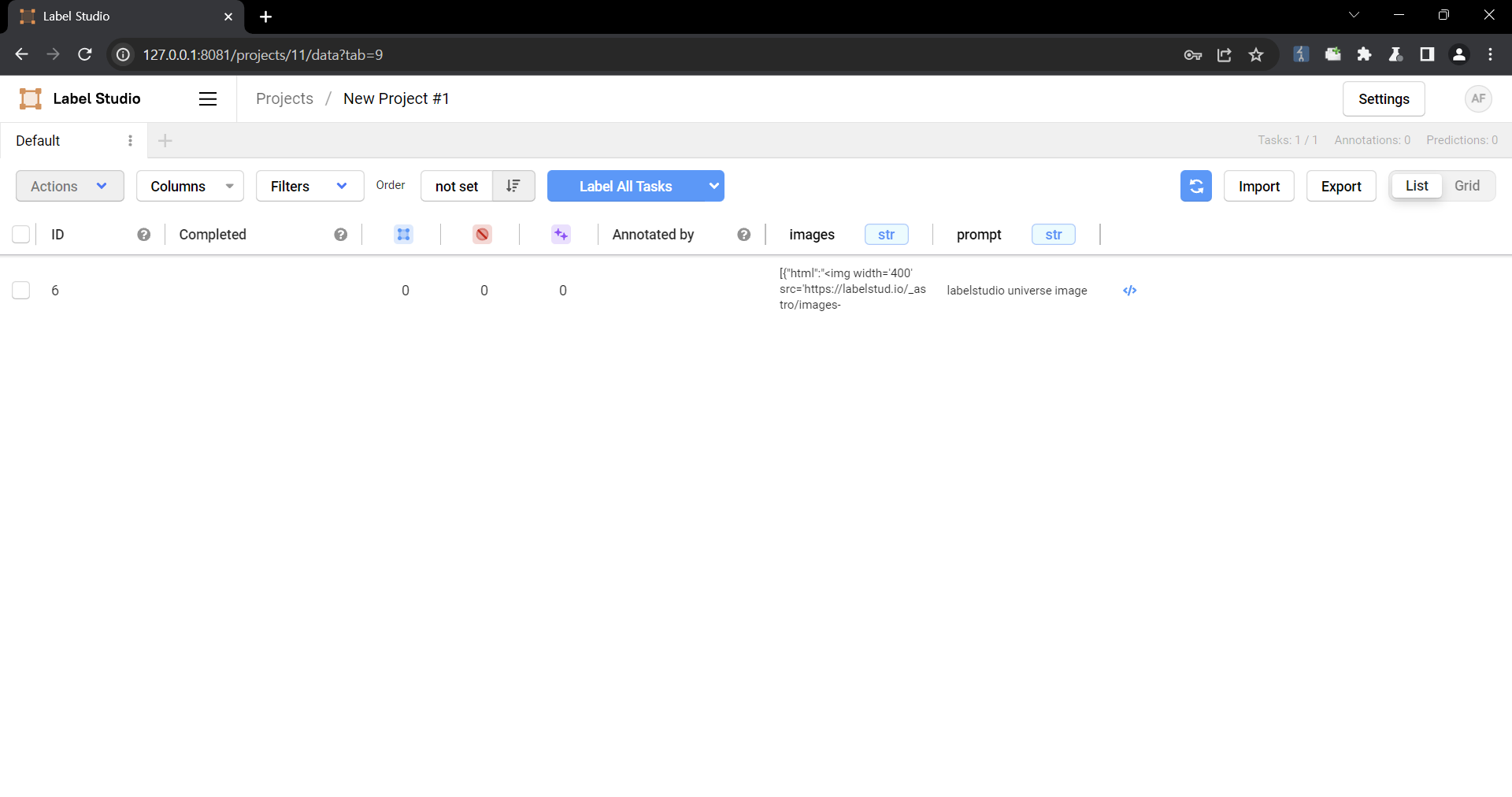
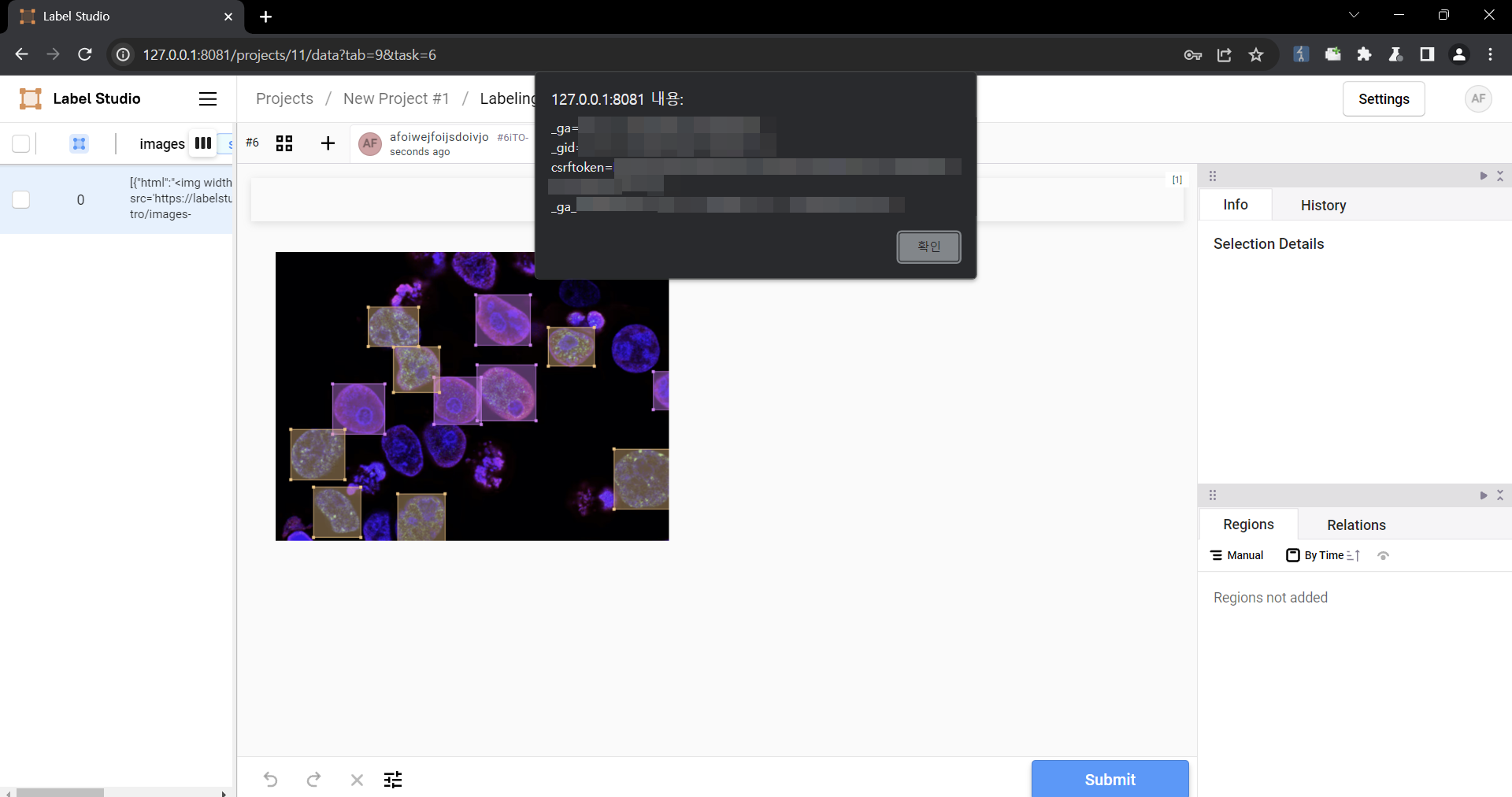
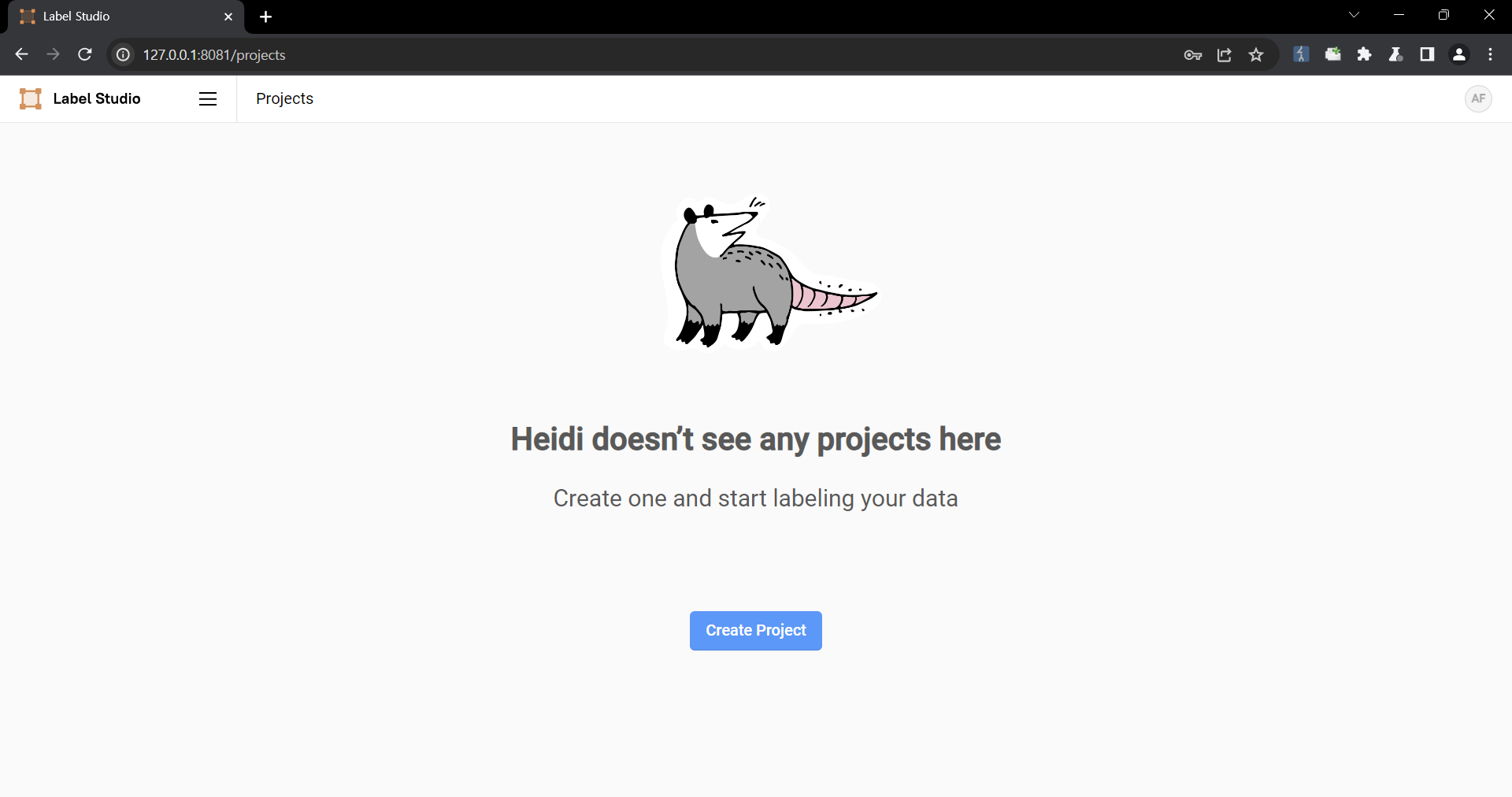
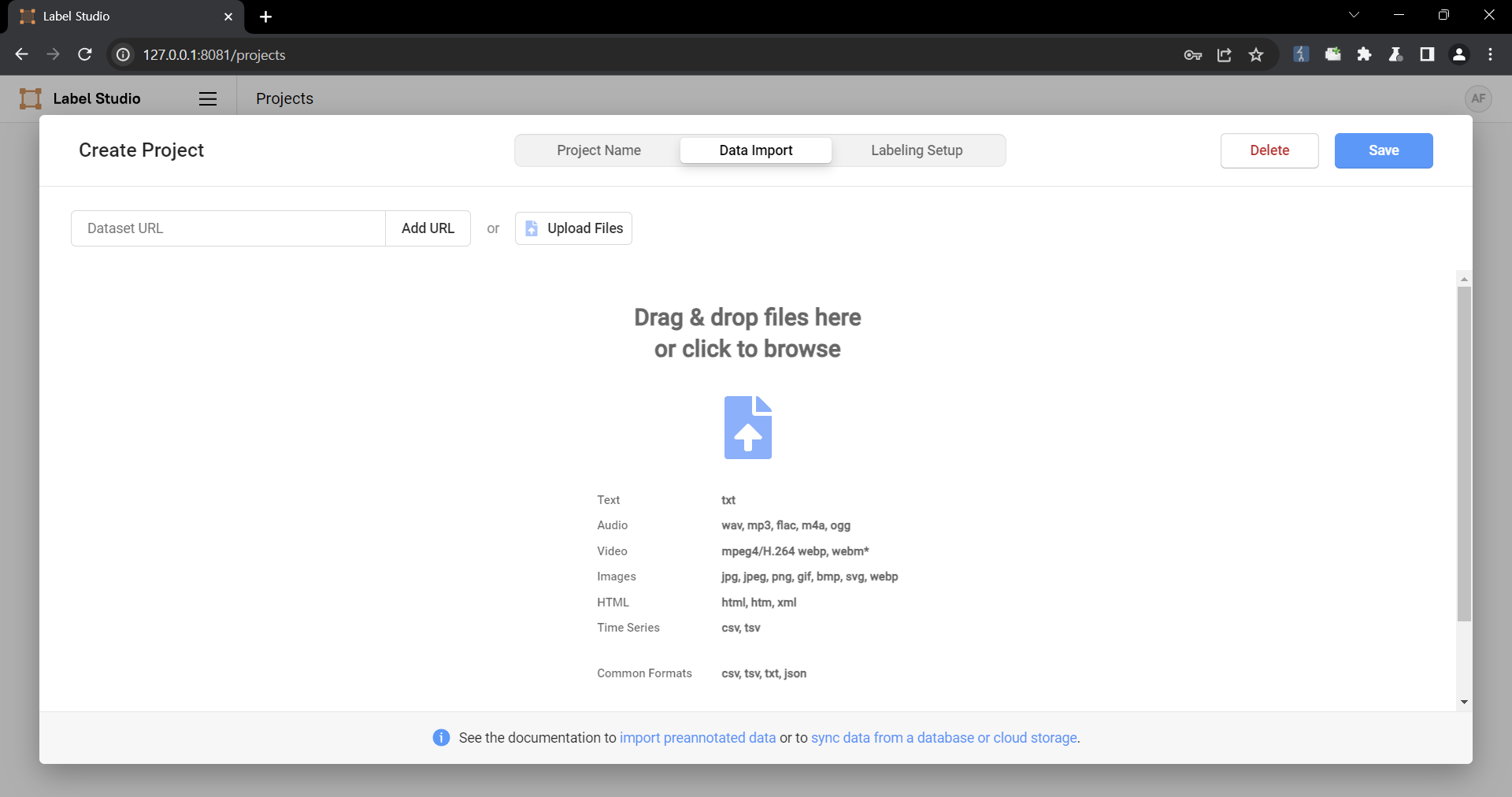
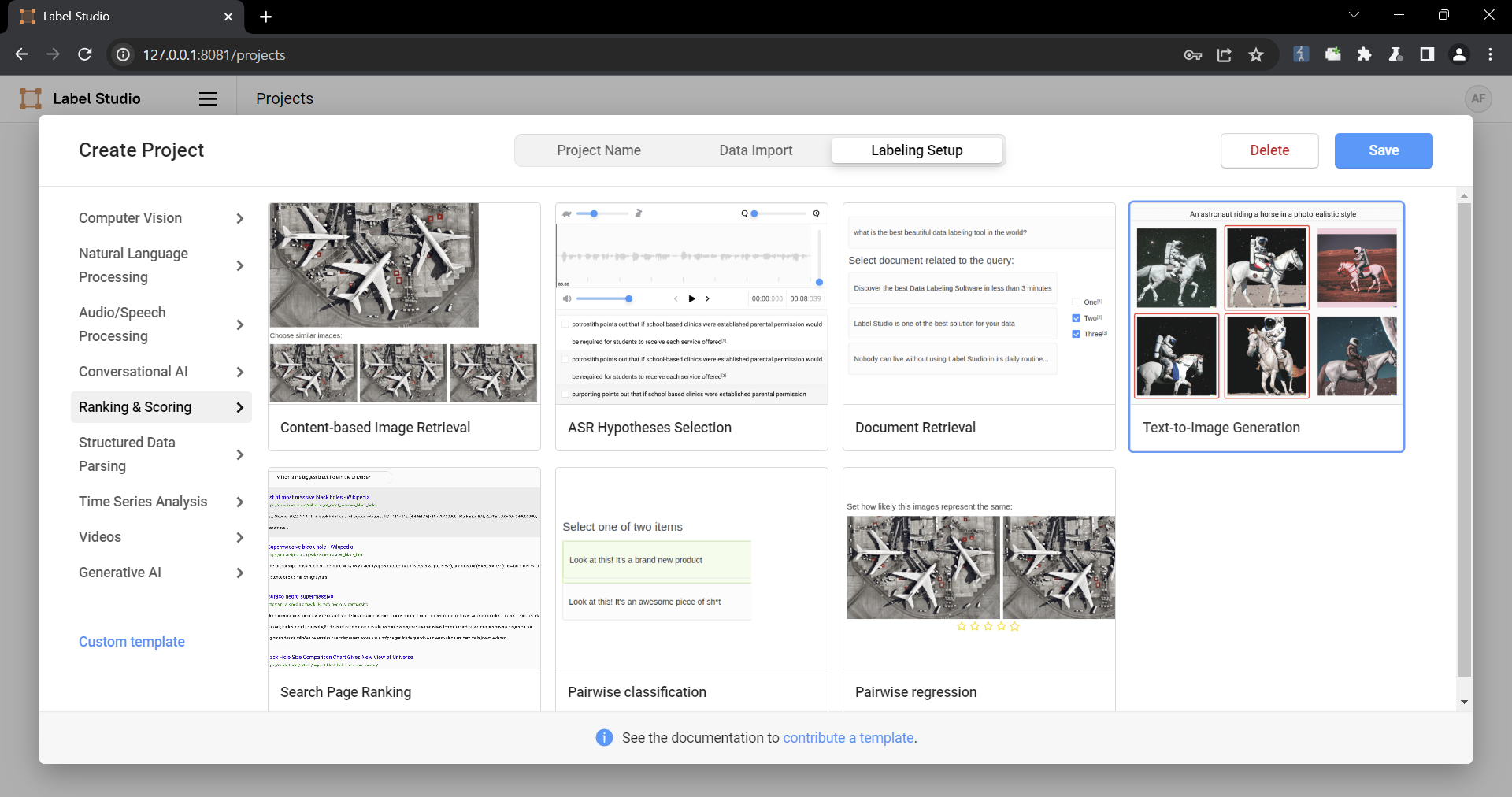
### Summary On all Label Studio versions prior to 1.11.0, data imported via file upload feature is not properly sanitized prior to being rendered within a [`Choices`](https://labelstud.io/tags/choices) or [`Labels`](https://labelstud.io/tags/labels) tag, resulting in an XSS vulnerability. ### Details Need permission to use the "data import" function. This was reproduced on Label Studio 1.10.1. ### PoC 1. Create a project. ![Create a project](https://github.com/HumanSignal/label-studio/assets/3943358/9b1536ad-feac-4238-a1bd-ca9b1b798673) 2. Upload a file containing the payload using the "Upload Files" function. ![2 Upload a file containing the payload using the Upload Files function](https://github.com/HumanSignal/label-studio/assets/3943358/26bb7af1-1cd2-408f-9adf-61e31a5b7328) ![3 complete](https://github.com/HumanSignal/label-studio/assets/3943358/f2f62774-1fa6-4456-9e6f-8fa1ca0a2d2e) The following are the contents of the files used in the PoC ``` { "data": { "prompt": "labelstudio universe image", "images": [ { "value": "id123#0", "style": "margin: 5px", "html": "<img width='400' src='https://labelstud.io/_astro/images-tab.64279c16_ZaBSvC.avif' onload=alert(document.cookie)>" } ] } } ``` 3. Select the text-to-image generation labeling template of Ranking and scoring ![3 Select the text-to-image generation labelling template for Ranking and scoring](https://github.com/HumanSignal/label-studio/assets/3943358/f227f49c-a718-4738-bc2a-807da4f97155) ![5 save](https://github.com/HumanSignal/label-studio/assets/3943358/9b529f8a-8e99-4bb0-bdf6-bb7a95c9b75d) 4. Select a task ![4 Select a task](https://github.com/HumanSignal/label-studio/assets/3943358/71856b7a-2b1f-44ea-99ab-fc48bc20caa7) 5. Check that the script is running ![5 Check that the script is running](https://github.com/HumanSignal/label-studio/assets/3943358/e396ae7b-a591-4db7-afe9-5bab30b48cb9) ### Impact Malicious scripts can be injected into the code, and when linked with vulnerabilities such as CSRF, it can cause even greater damage. In particular, It can become a source of further attacks, especially when linked to social engineering.
Source
security-advisories@github.com
NVD status
Analyzed
Products
label_studio

Risk scores

CVSS 3.1

Type
Primary
Base score
6.1
Impact score
2.7
Exploitability score
2.8
Vector string
CVSS:3.1/AV:N/AC:L/PR:N/UI:R/S:C/C:L/I:L/A:N
Severity
MEDIUM

Weaknesses

security-advisories@github.com
CWE-79
nvd@nist.gov
CWE-79

Social media

Hype score
Not currently trending

Configurations

  1. Label Studio, an open source data labeling tool had a remote import feature allowed users to import data from a remote web source, that was downloaded and could be viewed on the website. Prior to version 1.10.1, this feature could had been abused to download a HTML file that executed malicious JavaScript code in the context of the Label Studio website. Executing arbitrary JavaScript could result in an attacker performing malicious actions on Label Studio users if they visit the crafted avatar image. For an example, an attacker can craft a JavaScript payload that adds a new Django Super Administrator user if a Django administrator visits the image. `data_import/uploader.py` lines 125C5 through 146 showed that if a URL passed the server side request forgery verification checks, the contents of the file would be downloaded using the filename in the URL. The downloaded file path could then be retrieved by sending a request to `/api/projects/{project_id}/file-uploads?ids=[{download_id}]` where `{project_id}` was the ID of the project and `{download_id}` was the ID of the downloaded file. Once the downloaded file path was retrieved by the previous API endpoint, `data_import/api.py`lines 595C1 through 616C62 demonstrated that the `Content-Type` of the response was determined by the file extension, since `mimetypes.guess_type` guesses the `Content-Type` based on the file extension. Since the `Content-Type` was determined by the file extension of the downloaded file, an attacker could import in a `.html` file that would execute JavaScript when visited. Version 1.10.1 contains a patch for this issue. Other remediation strategies are also available. For all user provided files that are downloaded by Label Studio, set the `Content-Security-Policy: sandbox;` response header when viewed on the site. The `sandbox` directive restricts a page's actions to prevent popups, execution of plugins and scripts and enforces a `same-origin` policy. Alternatively, restrict the allowed file extensions that may be downloaded.CVE-2024-23633